Commercially available media – the hidden pitfalls of proprietary formulations image
Blog

Commercially available media – the hidden pitfalls of proprietary formulations

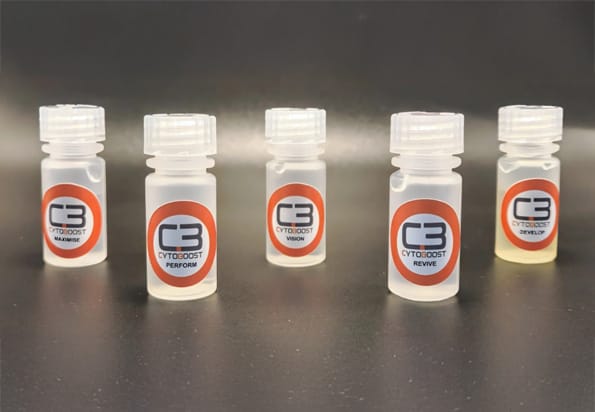
Commercial media preparations can be a convenient option for stem cell and organoid maintenance and differentiation, but the proprietary 'black box' formulation prohibits trouble-shooting and optimization read our blog, as we ask, what's in it?
Raising the standard: Developing a high-quality IL-34 protein image
Blog

Raising the standard: Developing a high-quality IL-34 protein

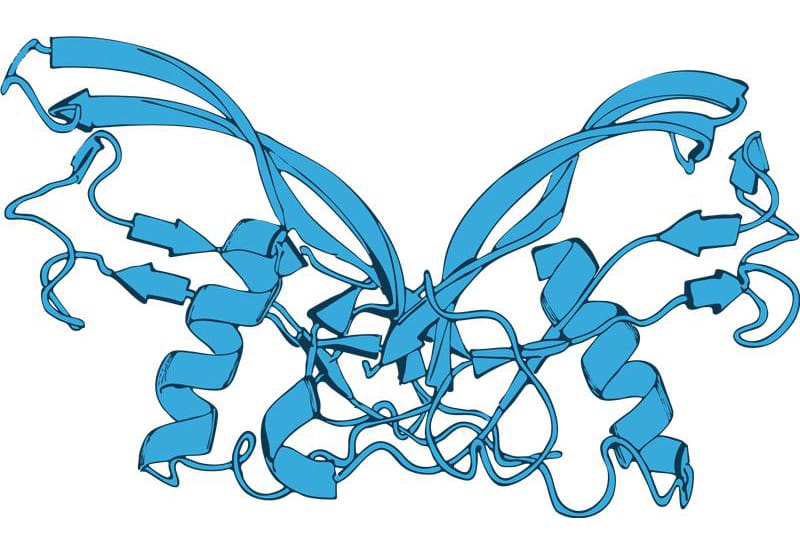
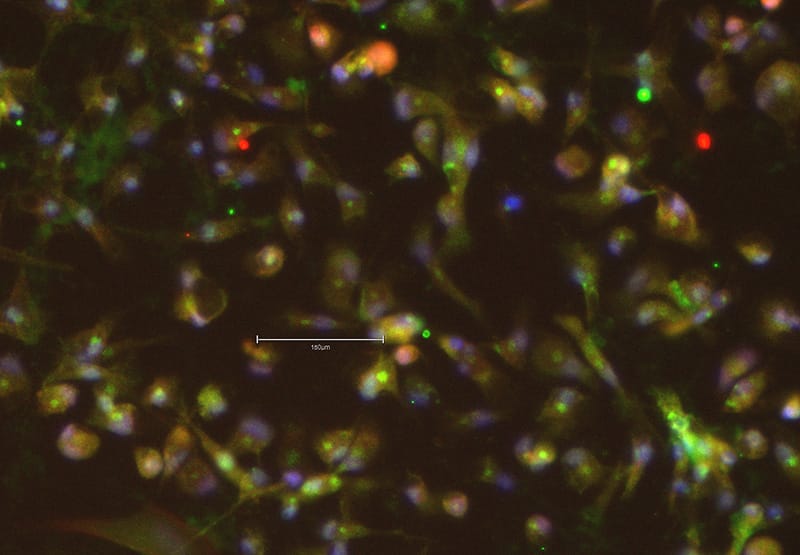
Scientists have long struggled to access a reliable, animal-free, and high-quality version of IL-34. When we first started working on IL-34 at Qkine, we weren’t just trying to make another recombinant protein. We wanted to solve a real problem.
Refined and benchmarked homemade media for cost-effective, weekend-free human pluripotent stem cell culture image
Blog

Refined and benchmarked homemade media for cost-effective, weekend-free human pluripotent stem cell culture

In this recently revised and expanded paper from our collaborators in the Bertero lab, Truszkowski et al. have described a cost-effective homemade media recipe for the culture of human pluripotent stem cells (hPSCs), this adds to the evidence that homemade media using Qkine growth factors can be a suitable replacement for, or improvement on, commercially available media.
Why are Qkine’s new products labelled cell therapy grade and not GMP grade? image
Blog

Why are Qkine’s new products labelled cell therapy grade and not GMP grade?

Why are the products labelled cell therapy grade and not GMP grade? Although GMP-grade is a recognized term within the growth factor space, it is not an accreditation that can be strictly applied to products outside of the pharmaceutical, cosmetic or food industries. 
Unexpected consequences: growth factor cross-contamination in mammalian and E. coli expressed growth factors image
Blog

Animal origin-free protein manufacture for cell therapy

Qkine cell therapy grade proteins are animal origin-free, but why is this so important? The FDA are clear in their recommendation that animal origin-free reagents are used for increased safety in cell and gene therapy manufacture.
Why animal origin-free? image
Blog

Why animal origin-free?

All Qkine proteins are animal origin-free, but why is this so important? Why aren’t all recombinant proteins produced in animal free expression systems? Read our latest blog and discover - Why animal origin-free?
Qkine and 3D Bio-Tissues collaborate to improve cell-care for pluripotent stem cell and cellular agriculture…
News

Qkine and 3D Bio-Tissues collaborate to improve cell-care for pluripotent stem cell and cellular agriculture applications

This collaboration merges 3D Bio-Tissues novel macromolecular crowding technology with that of Qkine in complex protein manufacturing and engineering to allow testing and validation and improve culture performance and bioprocessing yields.
Unexpected consequences: growth factor cross-contamination in mammalian and E. coli expressed growth factors image
Blog

Unexpected consequences: growth factor cross-contamination in mammalian and E. coli expressed growth factors

At Qkine we have repeatedly highlighted the need for stricter process and quality control in the manufacture of high purity in recombinant growth factors to prevent cross contamination with related growth factors. Contamination with other bioactive proteins leads to lack of inter and intra-lab reproducibility, or perhaps most concerningly incorrect scientific conclusions.
Protein tags, why and why not? image
Blog

Protein tags, why and why not?

Protein tags are useful tools for affinity purification and other biochemical applications, but unnecessary tagging of proteins can cause issues. Read our latest blog and discover - Protein tags, why and why not?
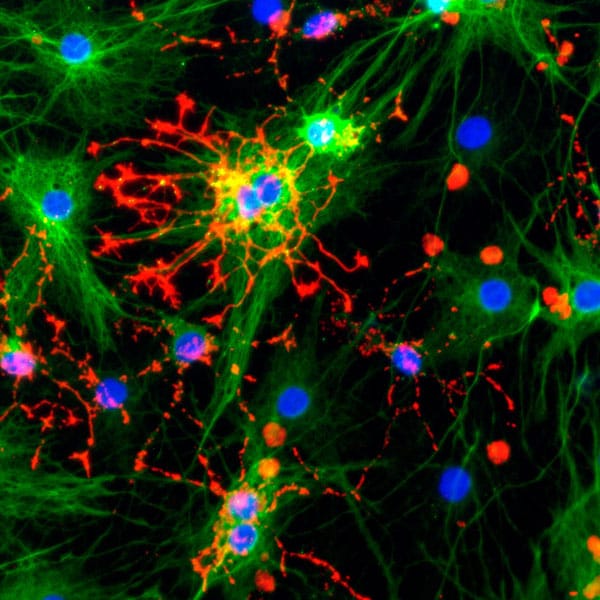
Recombinant proteins for neural stem cell culture
Blog

ISSCR 2024 reflections on “Standards for Human Stem Cell Use in Research” and growth factors for cell therapy manufacture

Reflections on the dynamic ISSCR 2024 workshop on Standards for Human Stem Cell Use in Research including recommendations for growth factor supply chains for raw (ancillary materials) for cell therapy and ATMP manufacture.
The Cautionary Tale of GDF-15 image
Blog

The Cautionary Tale of GDF-15

Commercial sources of recombinant human GDF15 protein, in particular those purified from mammalian expression, are frequently contaminated with trace amounts of TGFβ and related proteins. These trace contaminants cause misleading experimental results due to the picomolar or even femtomolar EC50s of this family of cytokines.  Please be cautious with your source of recombinant GDF15 protein.
Animal origin-free recombinant proteins for cultivated meat
Blog

Considerations for the use of high-purity recombinant growth factors in cellular agriculture applications

Cultivated meat is a nascent industry with a developing regulatory framework, with distinct regional differences. There are however some shared themes across regulatory frameworks and best practice. Within the UK and EU, cultivated meat is considered a novel food and as such falls under the scope of Regulation (EU) No. 2015/2283. In response to this classification, the Food Safety Agency commissioned an internal report into the potential hazards to the consumer associated with the production and consumption of cultured meat. Following a literature review of 154 papers discussing cultured meat as a technology, themes that apply to growth factors have been highlighted and discussed.
Shopping Basket