Qkine featured in the Nikkei Biotechnology & Business magazine image
Blog

Qkine featured in the Nikkei Biotechnology & Business magazine

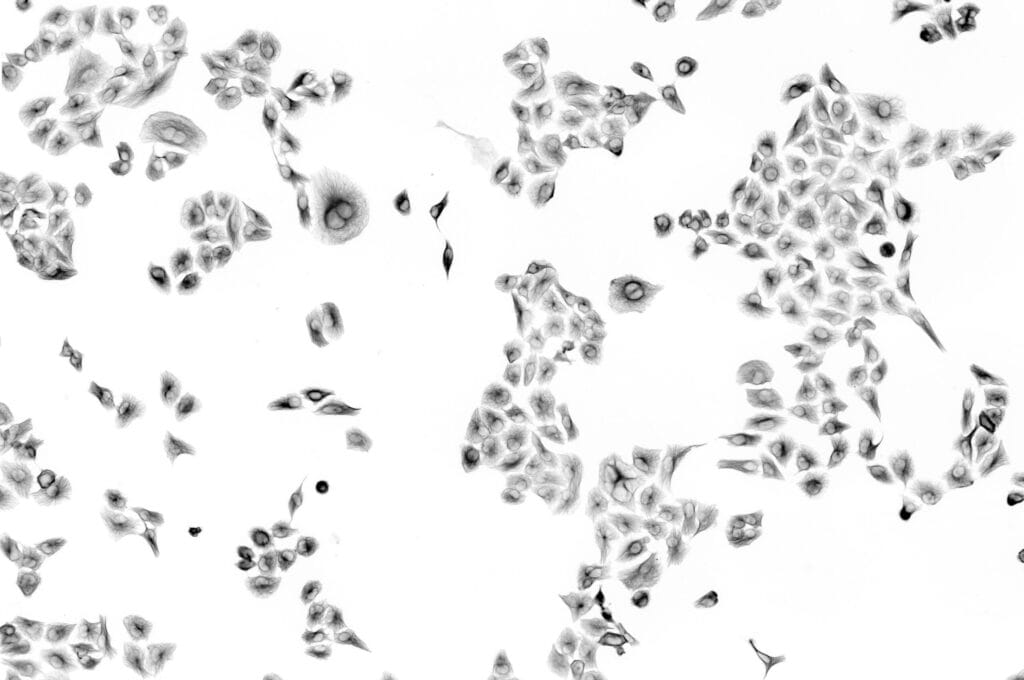
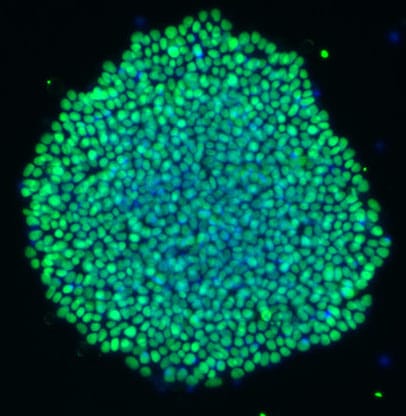
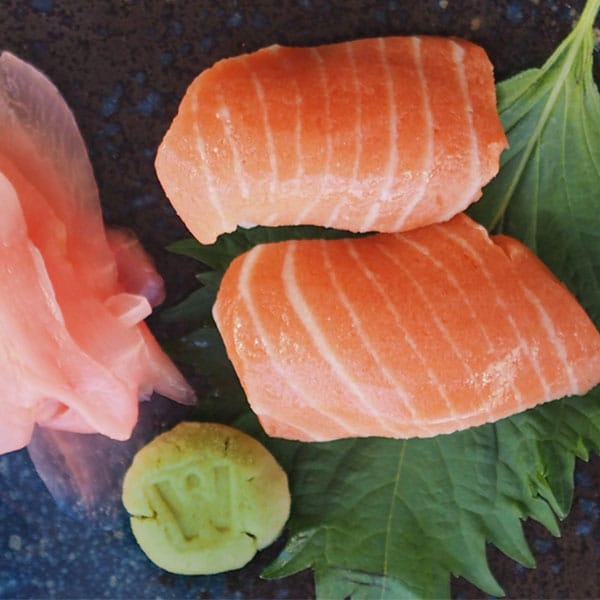
Qkine are delighted that our eel FGF-2 proteins have elicited interest in Japan, recently the Nikkei Biotechnology & Business magazine have published an article focussing on the 145 and 154 amino acid versions of eel FGF-2, and the contribution Qkine species specific growth factors can have on the cultured seafood industry.

Qkine integrates the latest advancement in fill-finish automation into its recombinant protein manufacturing process…
Blog

Qkine integrates the latest advancement in fill-finish automation into its recombinant protein manufacturing process

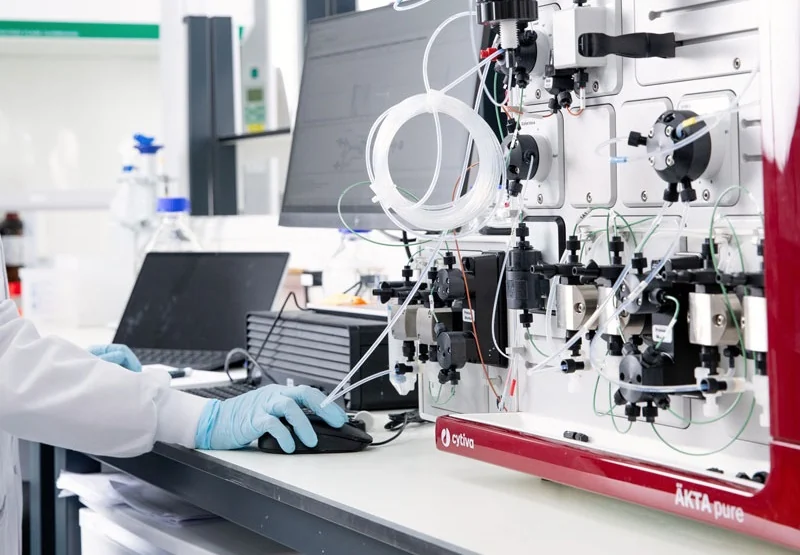
Our latest investment in our mission at Qkine to produce the highest quality growth factors for research. The most state-of-the-art automated system which fills, labels and caps vials with minimal manual intervention.
Bertero lab logo
Blog

Qkine collaboration with the Bertero Lab, Heart Engineering and Developmental Genomics et al. (HEDGe), University of Turin, Italy

This recent publication in collaboration with Qkine focusses on the optimization of home-brew media for the maintenance of human induced pluripotent stem cells (hiPSCs), using Qkine growth factors to allow cost-effective, practical, and reproducible culture of hiPSCs. Qkine thermostable tag-free FGF2-G3 proteins were found to be highly bioactive, necessitating an 8-fold reduction in concentration for the short (145 aa) form of FGF2-G3 in the optimized media.
The transformative power of hematopoietic stem cells in medicine image
Blog

The transformative power of hematopoietic stem cells in medicine

Hematopoietic stem cells (HSCs) are at the forefront of a transformative shift in modern medicine, beginning to revolutionize patient care by offering novel therapeutic treatments for a wide range of diseases. This review blog summarizes advances in the clinical use of HSCs in HSC transplantation.
ISSCR 2024: scientists and suppliers working together will improve the future of stem cell research image
Blog

ISSCR 2024: scientists and suppliers working together will improve the future of stem cell research

Qkine is a company run by scientists, and the science is the focus of everything we do. Our theme at ISSCR this year was stress-free stem cell culture - exploring how suppliers of recombinant proteins can proactively improve the quality, availability and functionality of growth factors to generate experimental outcomes faster, easier and more efficiently.
Recombinant proteins for neural stem cell culture
Blog

ISSCR 2024 reflections on “Standards for Human Stem Cell Use in Research” and growth factors for cell therapy manufacture

Reflections on the dynamic ISSCR 2024 workshop on Standards for Human Stem Cell Use in Research including recommendations for growth factor supply chains for raw (ancillary materials) for cell therapy and ATMP manufacture.
The Cautionary Tale of GDF-15 image
Blog

The Cautionary Tale of GDF-15

Commercial sources of recombinant human GDF15 protein, in particular those purified from mammalian expression, are frequently contaminated with trace amounts of TGFβ and related proteins. These trace contaminants cause misleading experimental results due to the picomolar or even femtomolar EC50s of this family of cytokines.  Please be cautious with your source of recombinant GDF15 protein.
Qkine-StemCultures-iPSC culture-FGF2-SOX2-Hoechst
Blog

Qkine and StemCultures collaborate to provide new solutions for precision stem cell culture

Specialist bioactive growth factor protein manufacturer Qkine today announced a new partnership with StemCultures, a life sciences company dedicated to developing innovative reagents that enhance the quality and efficiency of cell growth and differentiation in culture.
Animal origin-free proteins manufacturing
Blog

Selection of growth factors and cytokines source for the manufacture of cell therapies, tissue-engineered products and translational stem cell research applications

The manufacture of cell and gene therapy products and tissue-engineered regenerative medicine products often requires recombinant proteins such as growth factors and cytokines. These are classified as raw or ancillary materials ie. culture media components or reagents that are not intended to be included in the final product.
animal origin-free recombinant protein manufacturing
Blog

Transitioning to a fully animal origin-free recombinant protein manufacturing process

We've recently fully transitioned to an animal origin-free (AOF) manufacturing process for our recombinant proteins. This shift ensures the highest standards of safety, purity, and sustainability in bioproduction. By eliminating all animal-derived components, including heparin-based purification columns, we’re supporting ethical and cruelty-free biomanufacturing. Learn more about our journey to 100% AOF.
Nurturing Complexity: The role of vascularization in Organoid Advancements image
Blog

Nurturing Complexity: The role of vascularization in Organoid Advancements

Organoids are exciting models that are rapidly becoming a hopeful platform for many medical advances such as drug screening and disease modeling. However, due to a lack of vascularization, they have limitations for future applications. This review blog summarizes several practical methods for successful organoid vascularization to date.
Animal origin-free recombinant proteins for cultivated meat
Blog

Considerations for the use of high-purity recombinant growth factors in cellular agriculture applications

Cultivated meat is a nascent industry with a developing regulatory framework, with distinct regional differences. There are however some shared themes across regulatory frameworks and best practice. Within the UK and EU, cultivated meat is considered a novel food and as such falls under the scope of Regulation (EU) No. 2015/2283. In response to this classification, the Food Safety Agency commissioned an internal report into the potential hazards to the consumer associated with the production and consumption of cultured meat. Following a literature review of 154 papers discussing cultured meat as a technology, themes that apply to growth factors have been highlighted and discussed.
Shopping Basket